
Trail Saddles: How to Choose the Right One for Long Days in the Saddle
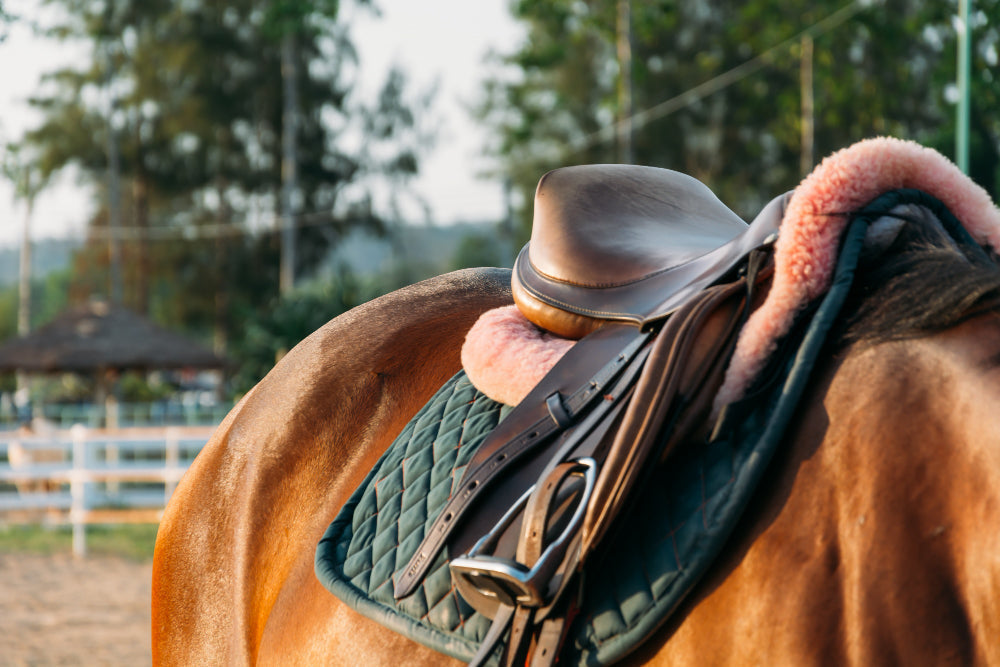
A good trail saddle is the piece of kit that decides whether a full day out riding leaves you stiff and sore or smiling and already planning the next route. Trail saddles are built for comfort, balance, and security over varied terrain — the exact conditions most South African riders find themselves in once they leave the arena. Whether you ride the Drakensberg foothills, the Cape winelands, or the Highveld, the right trail saddle will change how far you can ride, how your horse performs, and how many kilometres you can rack up without wear and tear on either of you.
At Solo Saddlers we've been manufacturing saddlery for 35 years, and trail riding is one of the disciplines our staff live and breathe. This guide walks through what a trail saddle actually is, how it differs from other saddle types, and what to look for when buying one.
What Is a Trail Saddle?
A trail saddle is designed for long hours of comfortable riding across changing terrain. It sits in the middle ground between a lightweight endurance saddle and a heavier Western saddle. The priorities are clear: the horse must be able to carry a rider comfortably for hours without developing pressure points, and the rider must feel secure and balanced whether they're walking down a rocky slope or cantering along a firebreak.
Trail saddles typically feature a slightly deeper seat than a general-purpose English saddle, well-padded panels that distribute weight evenly, and often a small pommel horn or grab strap for security on steep descents. Many models include D-rings or saddle bags attachment points for carrying water, a hoof pick, a first-aid kit, and whatever else a long ride might require.
Trail Saddles vs Endurance, Western, and English Saddles
Understanding how a trail saddle compares to other saddle types helps you decide which is right for your riding.
Trail vs Endurance Saddles
Endurance saddles are purpose-built for competitive distance riding, where weight and panel design are everything. They are lighter, have flatter seats that allow the rider to shift position frequently, and often use synthetic materials to reduce bulk. Trail saddles are a little heavier and have deeper, more secure seats — better for a rider who values comfort and grip over the gram-counting demands of a 160 km endurance race. If you regularly enter FEI endurance competitions, an endurance saddle is what you want. For most recreational trail riders, a trail saddle is the better fit.
Trail vs Western Saddles
Western saddles are traditional ranch saddles with a prominent horn, a very deep seat, and a wide tree. They are exceptionally secure and comfortable but considerably heavier, which can tire your horse on longer rides. A trail saddle borrows the comfort of the Western design without the weight penalty — you still get a secure seat and often a small horn or pommel, but the saddle is lighter and easier to ride in for extended periods.
Trail vs English General Purpose Saddles
An English GP saddle is designed for schooling, jumping, and hacking in roughly equal measure. It's a compromise saddle — fine for an hour's ride but not built for a full day. Trail saddles prioritise long-distance comfort over jumping geometry, with deeper seats, more padding, and often synthetic or treated leather that stands up to weather and sweat.
What to Look for in a Trail Saddle
A handful of features separate a good trail saddle from a poor one. Get these right and your saddle will last you years.
Tree Fit
The tree is the internal frame of the saddle. It must match the shape of your horse's back — a saddle that is too narrow pinches the withers, while one that is too wide sits low and causes pressure on the spine. Most trail saddles are available in medium and wide trees. If you're unsure, have a qualified saddle fitter assess your horse. The British Horse Society publishes useful guidance on saddle fit, and Solo Saddlers can advise on which of our saddles suit different horse conformations.
Panel Design
Panels are the padded cushions under the seat that rest on either side of the horse's spine. Wide, evenly stuffed panels spread the rider's weight over a larger surface area. Narrow or lumpy panels create pressure points that become serious sores after a few hours in the saddle. Look for panels that are symmetrical, firm but not rock-hard, and wide enough to avoid concentrating weight in one spot. It is best to ride with an Everstretch saddle pad under your trail saddle — the unique filler is more breathable and cushioned, keeping your horse more comfortable and cooler over long hours.
Seat Depth and Shape
A trail saddle should have a slightly deeper seat than a GP saddle. The extra depth gives security on hills and when your horse spooks, but shouldn't be so deep that you can't move easily at faster paces. Riders with longer legs generally prefer a slightly flatter seat; shorter riders tend to be more comfortable in a deeper seat.
Weight
A trail saddle should weigh somewhere between a true endurance saddle (often under 6 kg) and a Western saddle (which can easily exceed 15 kg). A reasonable target is 7 to 10 kg — light enough not to tire your horse, heavy enough to give the stability and durability long days demand.
Materials
Traditional leather trail saddles are beautiful, durable, and mould to the horse and rider over time. They do need regular leather care — conditioning, cleaning, and protection from damp. Leather is also the best choice for riding through thorny terrain — the leather will not tear and any scratches can be buffed out. Synthetic trail saddles (often made from biothane or treated synthetic leather) are lighter, weatherproof, and require almost no maintenance, which makes them popular with riders who regularly ride in rain or through rivers. Both have their place — the right choice depends on your climate and how much time you want to spend on upkeep.
Attachment Points
Look for multiple D-rings or saddle bag attachment points. A trail saddle should be able to carry a water bottle, a small first-aid kit, a hoof pick, and a jacket without any of it bouncing around. Riders heading out for longer excursions appreciate saddles with four or more attachment points.
Fitting a Trail Saddle to Your Horse
Even the best trail saddle will cause problems if it doesn't fit. A few quick checks will flag the obvious issues.
Place the saddle on your horse's back without a numnah. You should be able to fit two to three fingers between the pommel and the withers. The panels should sit evenly on either side of the spine, with no rocking when you press down on the cantle. Walk the horse on a loose rein — the saddle should stay stable without shifting forward or backward. Sweat patterns after a ride are one of the clearest indicators of fit: even, damp sweat under the whole panel is ideal; dry patches indicate pressure points where the saddle is bridging rather than making contact.
Always pair your trail saddle with a well-fitted girth and a suitable numnah or saddle pad. The girth should sit roughly a hand's width behind the elbow, and the numnah should extend beyond the edges of the saddle panels to prevent rubbing. Our horse girth size chart walks through how to measure your horse for the correct girth size.
Caring for Your Trail Saddle
A trail saddle is a long-term investment. Well cared for, a leather trail saddle will outlast several horses — it's not unusual to see Solo saddles still in regular use after 20 or 25 years. Wipe the saddle down after every ride to remove sweat and dust, condition the leather every few weeks (more often in dry months), and check the stitching, billets, and stirrup bars regularly for wear. Store the saddle on a proper saddle rack in a dry space; never leave it damp or in direct sunlight. Synthetic saddles need less care but still benefit from a rinse with fresh water and a check of the stitching and buckles.
Find the Right Trail Saddle at Solo Saddlers
Solo Saddlers manufactures and stocks endurance, trail, and Western saddles designed and tested by our own staff, who ride endurance, trail, and Western disciplines in South African conditions. Every saddle in our range is built for the terrain and weather you'll actually be riding in, and we can help you match the right saddle, girth, and numnah to your horse.
Browse the full saddle collection or get in touch with our team for a fitting consultation — we'll help you choose a trail saddle you'll still be riding in 20 years from now. For more guidance, read how to choose the right saddle for you and your horse. If you're still deciding between trail and endurance, the Wikipedia overview of endurance riding offers a useful summary of the discipline and the kit it demands.


