
Numnahs and Saddle Pads: How to Choose the Right One for Your Horse
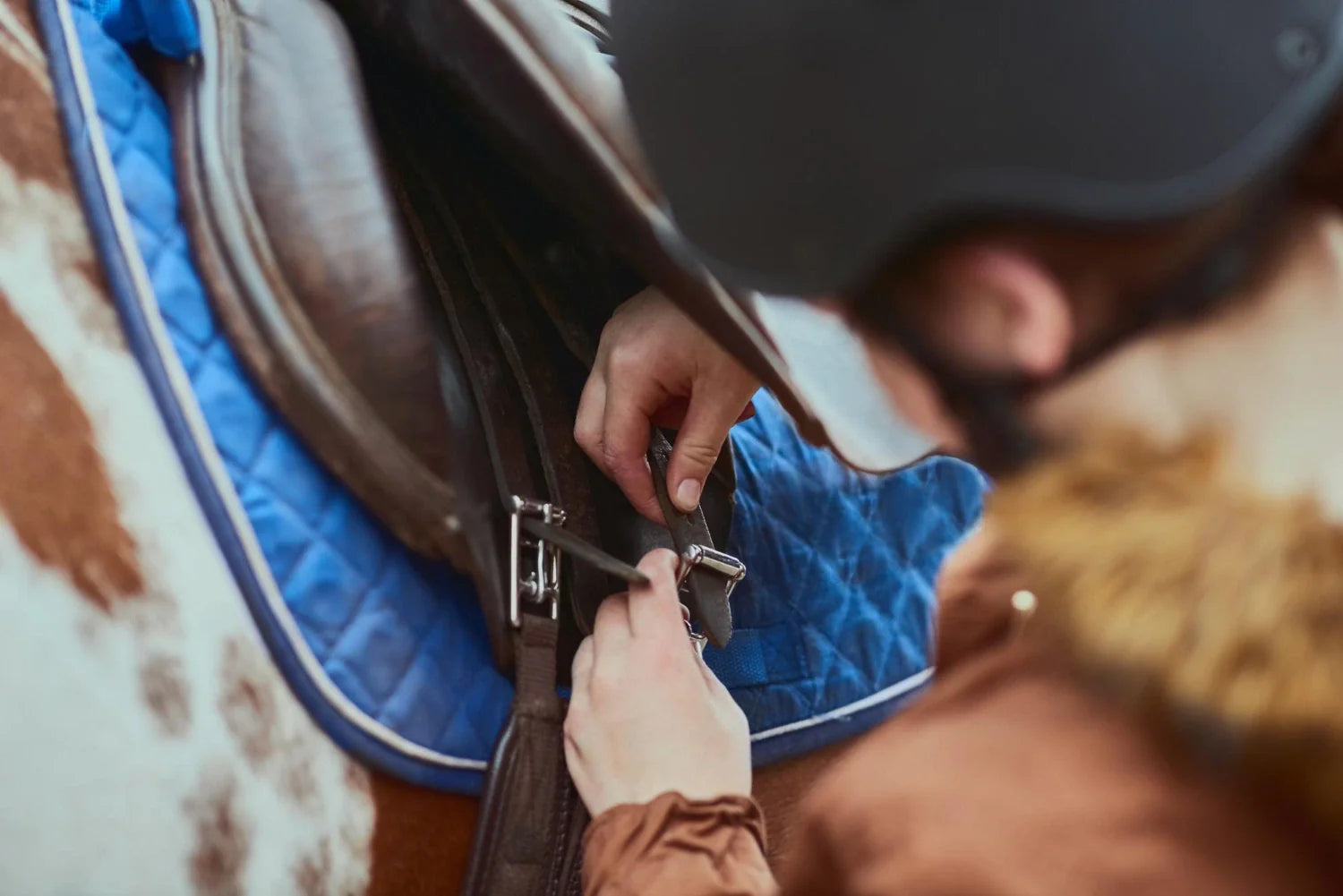
A saddle pad is one of the most overlooked pieces of kit in the tack room, yet it sits at the single most important interface on your horse: the point where the saddle meets the back. Whether you call it a saddle pad or a numnah, this thin layer of fabric does a surprising amount of work — absorbing sweat, cushioning pressure, reducing friction, and helping protect both your horse's spine and the lining of an expensive saddle. Choosing the right one is not about matching your horse's browband to your gloves (though plenty of riders enjoy that part too). It is about fit, material, and function. Here is how to get it right.
What Is a Numnah, and How Is It Different from a Saddle Pad?
The two terms are often used interchangeably, and in everyday South African stable-yard talk they usually mean the same thing. Strictly speaking, a numnah is shaped to follow the outline of the saddle, so it more or less disappears beneath it. A saddle pad is typically a square or rectangular shape that sits proud of the saddle on all sides, which is why you often see them in bold colours at shows and lessons. Both do the same job. The shape you choose comes down to your discipline, your saddle, and your personal taste.
What matters far more than the name is that the pad is doing its job: keeping the saddle stable, wicking away sweat, and providing an even layer of protection without interfering with the fit of a well-fitted saddle.
Why a Good Saddle Pad Matters
Back pain is one of the most common — and most under-diagnosed — causes of poor performance and behavioural problems in horses. A horse that dips away when you mount, pins its ears when the girth is done up, or refuses to go forward may well be telling you its back is sore. A quality saddle pad will not rescue a badly fitting saddle (nothing short of a proper refit will do that), but under a saddle that already fits, the right pad genuinely enhances comfort.
The pad's most practical daily job is sweat management. South African conditions are warm, and horses in work sweat heavily. A pad that wicks moisture away from the skin keeps the back cooler and reduces the rubbing that leads to sores and hair loss. A dirty, sweat-stiffened pad does the opposite — it turns into sandpaper against the back — which is why care and washing matter as much as the initial choice.
Choosing the Right Shape for Your Saddle
The single biggest mistake riders make is using the wrong shape of pad for their saddle. A pad cut for one discipline will slip, bunch, or look untidy under another. Match the pad to the saddle first, then worry about colour and material.
General Purpose (GP) Numnahs
The most versatile shape, designed to fit all-purpose and jumping saddles. The forward-cut flap accommodates the shorter, more forward-set saddle flap without bunching at the front. If you hack, do a bit of everything, or are buying your first pad, a GP numnah is the safe default.
Dressage Saddle Pads
Longer and straighter in the flap to match the deeper, straighter cut of a dressage saddle. Using a GP numnah under a dressage saddle looks scruffy and often causes the pad to creep backwards during work. If you ride dressage seriously, a correctly shaped dressage pad is worth having.
Jumping and Close-Contact Pads
Cut close and forward to sit neatly under a jumping saddle, these pads are usually kept thin so they do not add bulk between the rider's leg and the horse. Some jumping riders prefer a shaped numnah paired with a separate half pad for extra shock absorption over fences.
Endurance and Trail Pads
Larger, often thicker, and built for hours in the saddle rather than a 45-minute lesson. These prioritise breathability and moisture-wicking to keep the back cool over long distances, and some feature pockets for shims so you can fine-tune saddle fit out on the trail. If you ride endurance or spend long days out, do not skimp here.
Western Saddle Pads
Western riding uses thicker, more substantial pads or blankets to spread the load of a heavier saddle and tree. A good western pad has genuine cushioning and a wool or wool-blend underside that grips and breathes. Shape and thickness both matter more here than in the English disciplines.
Saddle Pad Materials Explained
Once you have the shape sorted, the material determines how the pad performs and how long it lasts.
Cotton
Breathable, easy to wash, and affordable — the sensible choice for everyday riding. A cotton drill pad will handle daily use, wash well, and dry quickly, which makes it the workhorse of most tack rooms.
Fleece and Sheepskin
Fleece-lined and sheepskin numnahs offer extra cushioning and are gentle on sensitive backs. Genuine sheepskin is superb at wicking moisture and regulating temperature, though it costs more and needs careful washing. Synthetic fleece is a budget-friendly stand-in that still adds softness.
Gel and Memory Foam
Gel inserts and memory-foam pads provide shock absorption for horses in hard work, older horses, or those with back sensitivity. They are heavier and warmer than cotton, so they suit horses that genuinely need the cushioning rather than being a default for everyone.
Mesh and Technical Fabrics
Modern mesh and technical fabrics wick sweat away quickly and dry fast, which is a real advantage in the South African climate. If your horse sweats heavily, a technical pad can make a visible difference to how cool and dry the back stays.
Getting the Fit Right
A well-chosen pad still needs to be used correctly. Follow these basics every time you tack up:
Size it properly. The pad should extend roughly 2 to 3cm beyond the saddle's edges all the way round. Too small and it leaves the back exposed to saddle pressure; too large and it bunches, creating pressure points of its own.
Pull it into the gullet. Before you tighten the girth, lift the pad up into the gullet channel of the saddle so there is clearance along the spine. A flat pad pressed down onto the withers and back creates a bridge of pressure right along the spinous processes — exactly where you do not want it.
Check for slip. If your pad constantly slides backwards, it is usually the wrong shape for the saddle or is being pulled tight over the withers rather than lifted into the gullet. A pad with billet or girth loops that attach to the saddle helps keep everything in place.
Remember the golden rule: a pad enhances a saddle that fits, but it cannot correct one that does not. Persistent uneven sweat marks or dry spots under the saddle after work point to a fit problem in the saddle itself, not something a thicker pad will solve. The panels of the saddle are what should be spreading pressure evenly across the back, as explained in this overview of English saddle panels and fit.
Caring for Your Saddle Pad
A pad only protects the back if it stays clean and soft. Sweat, dirt, and loose hair build up quickly and harden the underside, so wash pads regularly — most cotton and synthetic numnahs are machine washable on a cool, gentle cycle. Skip the fabric softener, which clogs the fibres and reduces wicking, and let pads air-dry rather than tumble-drying, which can shrink or matt them. Fleece pads benefit from an occasional brush to lift the fibres back up. Keep a spare pad or two in rotation so there is always a clean, dry one ready. And while you are looking after your kit, treat the leather of your saddle and bridle at the same time with proper leather care products — clean tack lasts longer and works better. For more on the terminology and history of pads and blankets, this reference on the saddle blanket is a useful read.
Find the Right Saddle Pad at Solo Saddlers
Solo Saddlers has been supplying South African riders for over 35 years, and our staff are riders themselves — so we know which pads hold up to daily use, wash well, and actually stay in place during a ride. Browse our full range of saddle pads and numnahs in every shape, material, and colour, from affordable cotton pads for everyday schooling to technical and sheepskin options for horses that need extra care. Pair your new pad with the right girth and saddle accessories for a complete, comfortable setup.
Not sure where to start? If you are still working out your saddle and fit, our guides to choosing the right saddle and measuring for the correct girth size are the natural next steps. Shop online and we will deliver to your door anywhere in South Africa.


