
Stockholm Tar, Hoof Oil, Hoof Balm and Hoof Hardener: Which Does Your Horse Need?
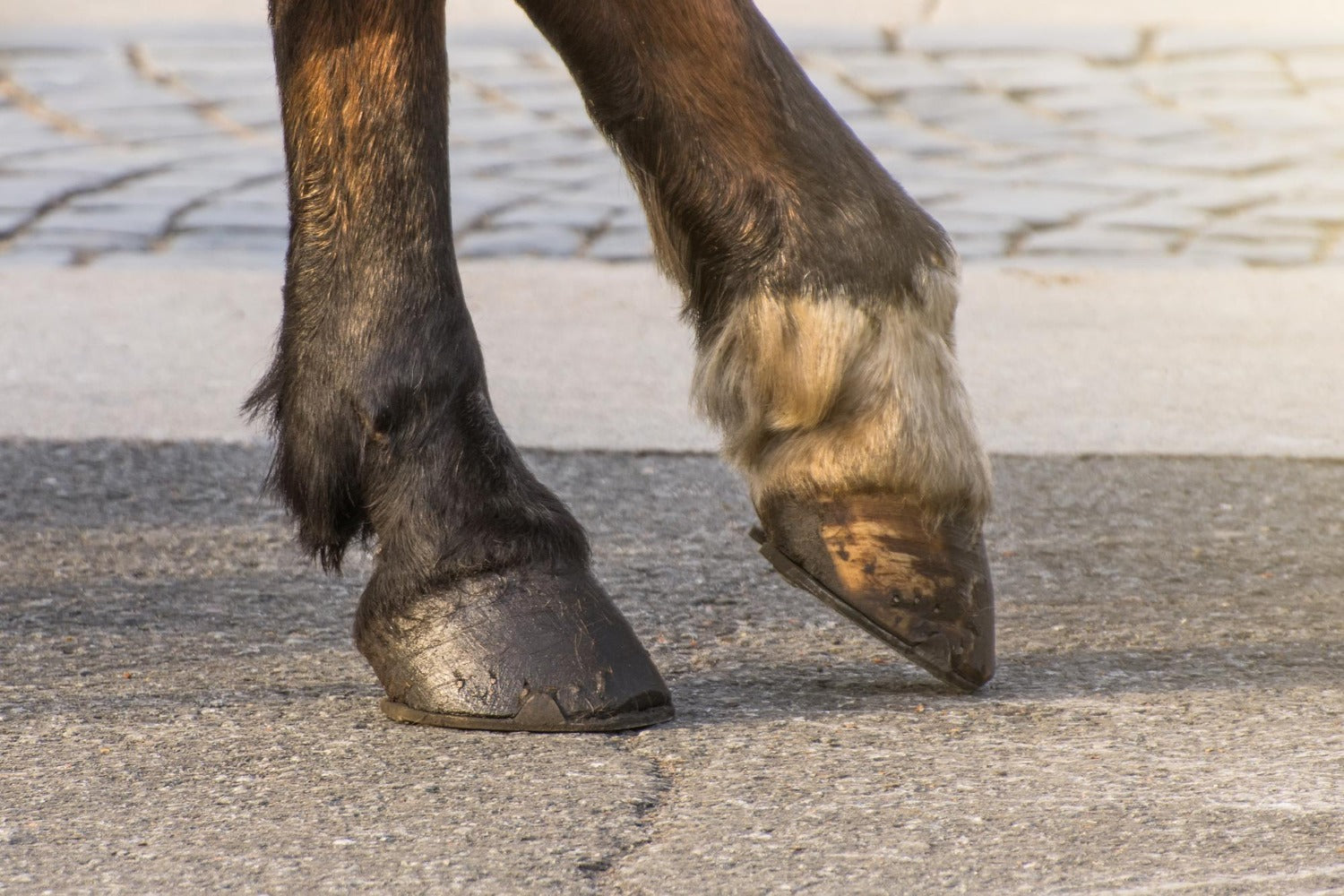
If you have ever stood in front of a shelf of hoof care products wondering which one actually does what, you are not alone. Stockholm tar, hoof oil, hoof balm and hoof hardener all live in the same category, but they solve very different problems. Using the right product at the right time makes a real difference to the health of your horse’s feet.
At Solo Saddlers we stock all four, and we get questions about them constantly. This guide breaks down exactly what each product does, when to use it, and where on the hoof to apply it.
The Four Main Hoof Care Products
All four products are designed to maintain equine hoof health, but they target different issues and work through different mechanisms. Think of them as specific tools in a toolkit, each with a particular job.
- Hoof and Sole Hardener — strengthens the internal structure of the horn
- Stockholm Tar Spray — creates a protective barrier against moisture and infection
- Hoof Oil — moisturises dry, brittle horn from the outside
- Hoof Balm — nourishes and seals the outer surface of the hoof
They are not interchangeable. Using hoof oil when you need a hardener, or tar when you need balm, will not give you the results you are looking for.
Hoof and Sole Hardener
A hoof and sole hardener works differently from all the other products on this list. Rather than coating the outside of the hoof, it penetrates the horn and chemically strengthens the internal protein (keratin) structures from the inside out.
This makes it the product of choice when your horse has:
- Thin, sensitive soles that bruise easily on hard or stony ground
- Soft, crumbly horn that does not hold a shoe well
- A history of throwing shoes, particularly in wet seasons when the horn softens
- Cracked walls or soles that need structural support
Apply it primarily to the hoof wall and soles. Avoid the coronary band and frog — hardener is formulated for the horn itself, not the soft tissue. Applied consistently over several weeks, it firms up the horn and gives your farrier something solid to work with.
A hardener will not fix a badly cracked hoof overnight. It works gradually, and for best results it should be part of a regular maintenance routine rather than an emergency measure. If your horse is prone to soft hooves, using a hardener through the wet months is a sensible preventative step. You can find hardeners and related products in our hoof care collection.
Stockholm Tar Spray
Stockholm tar is a traditional product — a natural pine tar extract that has been used in equine hoof care for generations. It creates a thick, sticky, water-resistant barrier that clings to the sole and frog, keeping moisture and contaminants out while providing antibacterial and antifungal protection.
Its primary uses are:
- Managing and preventing thrush — the bacterial infection that causes a foul-smelling black discharge from the frog. Stockholm tar disrupts the wet, anaerobic conditions that thrush needs to take hold
- Protecting hooves in persistently wet or muddy conditions
- Keeping the sole and frog clean and sealed between farrier visits
Apply stockholm tar spray primarily to the sole and frog — the most vulnerable areas for moisture penetration and infection. It is not typically applied to the hoof wall; that is where oil and balm come in.
If you are dealing with a current case of thrush, clean the hoof thoroughly first, then apply the tar directly into the affected areas of the frog. In a wet paddock or rainy season, regular application through the winter months keeps problems from developing in the first place. The spray format makes application quick and precise, which is particularly useful if your horse is not the most patient during hoof care sessions.
Browse stockholm tar spray and our full range of hoof care products online.
Hoof Oil
Hoof oil is a liquid-based, penetrating dressing used for external hoof maintenance. Unlike a hardener (which works internally), hoof oil influences moisture levels from the outside — it penetrates the horn to help regulate the balance between wet and dry conditions.
Hoof oil is the right choice when your horse has:
- Dry, brittle hooves that crack, chip, or flake — common after a dry summer or in horses kept on hard, dusty ground
- Dull, lifeless horn that has lost its natural flexibility
- Hooves repeatedly exposed to alternating wet and dry conditions, which stresses the horn over time
Apply hoof oil to the entire hoof wall. Some formulations also recommend applying to the coronary band to support healthy new growth. One function many owners overlook: hoof oil acts as a preventative barrier in wet conditions too. A light coat applied before turnout on a rainy day helps prevent the hoof from absorbing excess water, which softens and weakens the horn.
Hoof oil and hoof balm are often confused because both add moisture and shine. The key difference is how they work — oil penetrates the horn, balm sits on the surface. Many riders use both: oil for regular maintenance throughout the week, balm as a finishing coat before a show.
Hoof Balm
Hoof balm is a thicker, wax- or lanolin-based conditioner that sits on the surface of the hoof rather than penetrating deeply. It provides intense, long-lasting nourishment by coating the outer horn, locking in the hoof’s natural moisture and leaving a healthy, natural-looking shine.
Use hoof balm when you want:
- A deep conditioning treatment for dry or weather-stressed hooves
- A show-ready finish — balm leaves a clean, healthy gloss without looking artificial or greasy
- Long-lasting surface protection that does not need daily reapplication
- To nourish the coronary band, which is the growth point for new horn
Apply balm all over the hoof — wall, sole, and coronary band. Because it sits on the surface, it is also gentler on sensitive areas than a penetrating product like oil. If you are preparing for a competition, hoof balm is typically the final product applied, after cleaning and any other treatments.
Quick Comparison
| Product | Primary Purpose | How It Works | Where to Apply |
|---|---|---|---|
| Hoof and Sole Hardener | Strengthen structure, prevent bruising | Strengthens keratin internally | Hoof wall and soles (avoid coronary band and frog) |
| Stockholm Tar Spray | Repel moisture, prevent thrush and infection | Thick antibacterial barrier | Sole and frog |
| Hoof Oil | Maintain moisture balance, prevent brittleness | Penetrates to influence moisture from outside | Entire hoof wall (and coronary band) |
| Hoof Balm | Nourish horn, add protective shine | Coats and seals the outer horn surface | All over: wall, sole, and coronary band |
Can You Use More Than One Product at a Time?
Yes — and in most cases, a good hoof care routine will involve more than one product. Here is a practical example: a horse living out through a wet South African winter might benefit from a hardener on the walls and soles to keep the horn firm despite constant ground moisture, combined with stockholm tar on the sole and frog to ward off thrush. A horse with dry feet in summer might just need regular hoof oil to combat the brittleness, with balm applied before shows.
The key is to match the product to the actual problem. If your horse has soft feet and persistent thrush, you need both a hardener and a tar — not one or the other. Your farrier sees your horse’s hooves up close every six to eight weeks and is well placed to advise on what the horn actually needs. Stock up on farrier essentials and hoof care tools in our farrier supplies collection.
Application Tips That Make a Difference
Even the best products give limited results if they are applied carelessly. A few practical points:
- Clean the hoof before applying anything. Mud, dirt, and old product build-up prevent new treatments from penetrating or adhering properly. Use a hoof pick and a stiff brush from our grooming range.
- Apply tar and balm to dry hooves. Water on the surface reduces adhesion and dilutes the product.
- For hardeners and oils, a slightly damp coronary band can help absorption, but the sole and frog should be clean and dry first.
- Consistency matters more than quantity. A small amount applied regularly does far more than a heavy application once a month.
- Work from the top down — coronary band first, then the wall, then the sole. This avoids contaminating a freshly cleaned sole before you have treated the upper hoof.
Supporting Hoof Health from the Inside
Topical products treat the hoof you can see. But strong, healthy hoof growth starts with what your horse is eating. Key nutrients for hoof quality include biotin, zinc, methionine, and omega-3 fatty acids. If your horse consistently struggles with poor hoof quality despite good topical care, it may be worth looking at a dedicated hoof supplement to support new horn growth from the inside.
Horses with underlying health conditions affecting the hooves — such as laminitis — may also benefit from veterinary input alongside topical care. Browse our veterinary products collection for supportive care products.
For a broader understanding of equine hoof anatomy and why regular maintenance matters, the Wikipedia hoof article covers the basics well.
Shop Hoof Care at Solo Saddlers
We stock stockholm tar spray, hoof oil, hoof balm, and hoof hardeners in our hoof care collection, alongside brushes and applicators. Everything we carry has been selected and used by our own team of riders — people who have been working with horses in South African conditions for over 35 years.
If you have a question about which product suits your horse’s situation, contact us at info@solosaddlers.co.za or call +27 10 020 2863. We are happy to point you in the right direction.


