
Horse Saddles for Sale: A South African Buyer's Guide to Choosing the Right Saddle
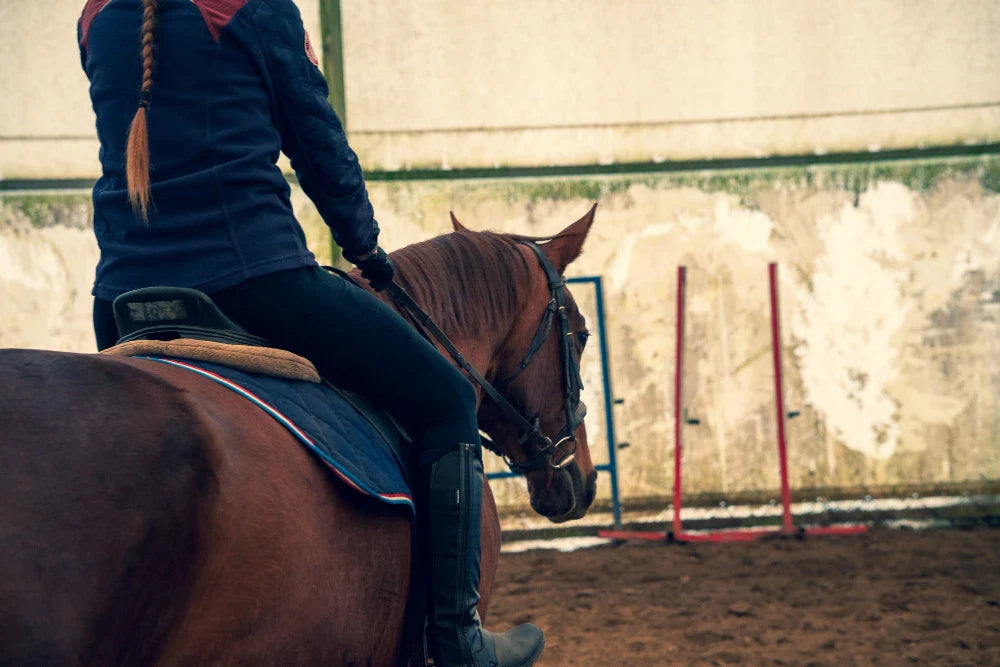
Searching for horse saddles for sale is one of the biggest decisions any rider makes. A saddle is the single most important piece of tack you will buy: it connects you to your horse, protects his back, and shapes every ride you take together. Get it right and both of you move in comfort and balance. Get it wrong and you invite sore backs, behavioural problems and wasted money. With more than 35 years of saddlery manufacturing behind us, we have fitted thousands of horses and riders, and this guide walks you through everything you need to know before you buy.
Start with the discipline, not the price
The first question is not how much a saddle costs, but what you will actually be doing in it. Saddles are built for specific jobs, and the shape of the tree, the depth of the seat and the cut of the flaps all change from one discipline to the next. Buying a general purpose saddle for serious dressage, or a deep dressage saddle for jumping, is a common and expensive mistake.
English saddles
English saddles are built on a solid tree with panels that cushion the horse's back and no prominent horn, which keeps the horse free to move athletically. Within the English family you will find dressage, jumping, general purpose (GP) and showing saddles, each cut to support a different position. Dressage saddles have a long, straight flap and a deep seat to encourage a long leg and upright seat. Jumping saddles have a forward-cut flap and knee rolls to hold you secure over fences. If you ride a mix of flatwork and jumping, a GP saddle is the sensible all-rounder. You can browse our full range of dressage, GP and jumping saddles to compare the cuts side by side.
Endurance, trail and western saddles
If your riding takes you out of the arena and into the veld, you need a saddle built for long hours and comfort over distance. Endurance and trail saddles spread the rider's weight over a larger area, carry extra D-rings for kit, and are made to keep both horse and rider fresh over many kilometres. Western saddles, with their signature horn and deep seat, are built for stock work and relaxed trail riding. Our endurance, trail and western saddles are a favourite among South African distance riders. For a deeper look at these, read our guides on choosing a trail saddle and understanding western saddles.
Why saddle fit matters more than anything
You can spend a fortune on the finest leather and still end up with an unhappy horse if the saddle does not fit. A poorly fitting saddle pinches muscles, restricts the shoulder, and creates pressure points that lead to a sore, hollow or bucking horse. Fit is not a luxury; it is the foundation of everything else. Before you commit to any horse saddle for sale, understand the three things that must line up.
Tree width and the gullet
The tree is the internal frame of the saddle, and its width has to match the shape of your horse's withers and shoulders. Too narrow and it pinches; too wide and it drops onto the wither. The gullet, the channel that runs down the centre, must give clear space along the horse's spine from front to back so that nothing presses on the vertebrae.
Panel contact and balance
The panels are the padded underside that carry the load. They should sit evenly along the back with full, even contact, never bridging (touching only at the ends) or rocking. When the saddle is on and girthed, the lowest point of the seat should sit level, so that you are neither tipped forward onto the fork nor slid back onto the cantle.
Rider fit
A saddle has to fit you too. Seat size is measured in inches from the stirrup bar to the centre of the cantle. Sit in it: your seat should fill the deepest part with roughly a hand's width behind you, and your thigh should rest comfortably on the flap. A saddle that fits the horse beautifully but leaves the rider perched or cramped will still undo your position.
New versus second-hand
Both new and used saddles have their place. A new saddle gives you current designs, a manufacturer's guarantee and leather that will mould to you over time. A second-hand saddle can be excellent value, but buy carefully: check the tree is not broken (lift the pommel and cantle and feel for any give or creaking), inspect the stitching and billets for wear, and look at the panels for lumps or uneven flocking that signal an old, settled fit. Whatever you buy, insist on trying it on your own horse before money changes hands. A saddle that fitted the seller's horse may be entirely wrong for yours.
What you should expect to pay
Horse saddle prices in South Africa cover a wide range, and it helps to know why. At the entry level, synthetic saddles are light, easy to clean and affordable, making them a practical first saddle or a spare for wet weather. Leather saddles cost more because they are more durable, mould to horse and rider, and hold their value far better over the years. Specialist competition saddles sit at the top of the range, reflecting the handwork and precision fitting that go into them. Rather than chasing the cheapest saddle for sale you can find, think about cost per year of use: a well-made leather saddle that lasts a decade is usually the better buy than a bargain that fails in two seasons. Explore our full collection of horse saddles for sale to see the options across every budget.
Do not forget the extras
A saddle rarely works alone. A correctly chosen saddle pad or numnah protects the panels, wicks away sweat and adds a layer of comfort without interfering with the fit, so it is worth choosing one that matches your saddle's shape rather than reaching for whatever is nearest. Take a look at our saddle pads and numnahs to pair with your new saddle. You will also want to look after your investment from day one: quality leather rewards regular care with decades of service, so keep a good saddle soap and conditioner on hand. Our leather care range has everything you need to clean, feed and protect the hide.
Buying with confidence from Solo Saddlers
Choosing a saddle should never feel like a gamble. The right saddle matches your discipline, fits your horse's back and your own seat, and is built from materials that will last. When you take the time to get those three things right, you buy once and ride happily for years. As saddlers who design, build and ride in our own tack, we know the difference a properly fitted saddle makes, and we are always happy to guide you through it. Browse our full range of horse saddles for sale, and if you are unsure which saddle suits your horse and your riding, get in touch with the Solo Saddlers team. Thirty-five years of experience is behind every saddle we sell, and we would rather help you find the right one than sell you the wrong one.
Further reading: the histories and construction of the saddle and the English saddle on Wikipedia give useful background on how these designs developed.


