
Western Saddles: Parts, Types, Fit and How to Choose the Right One
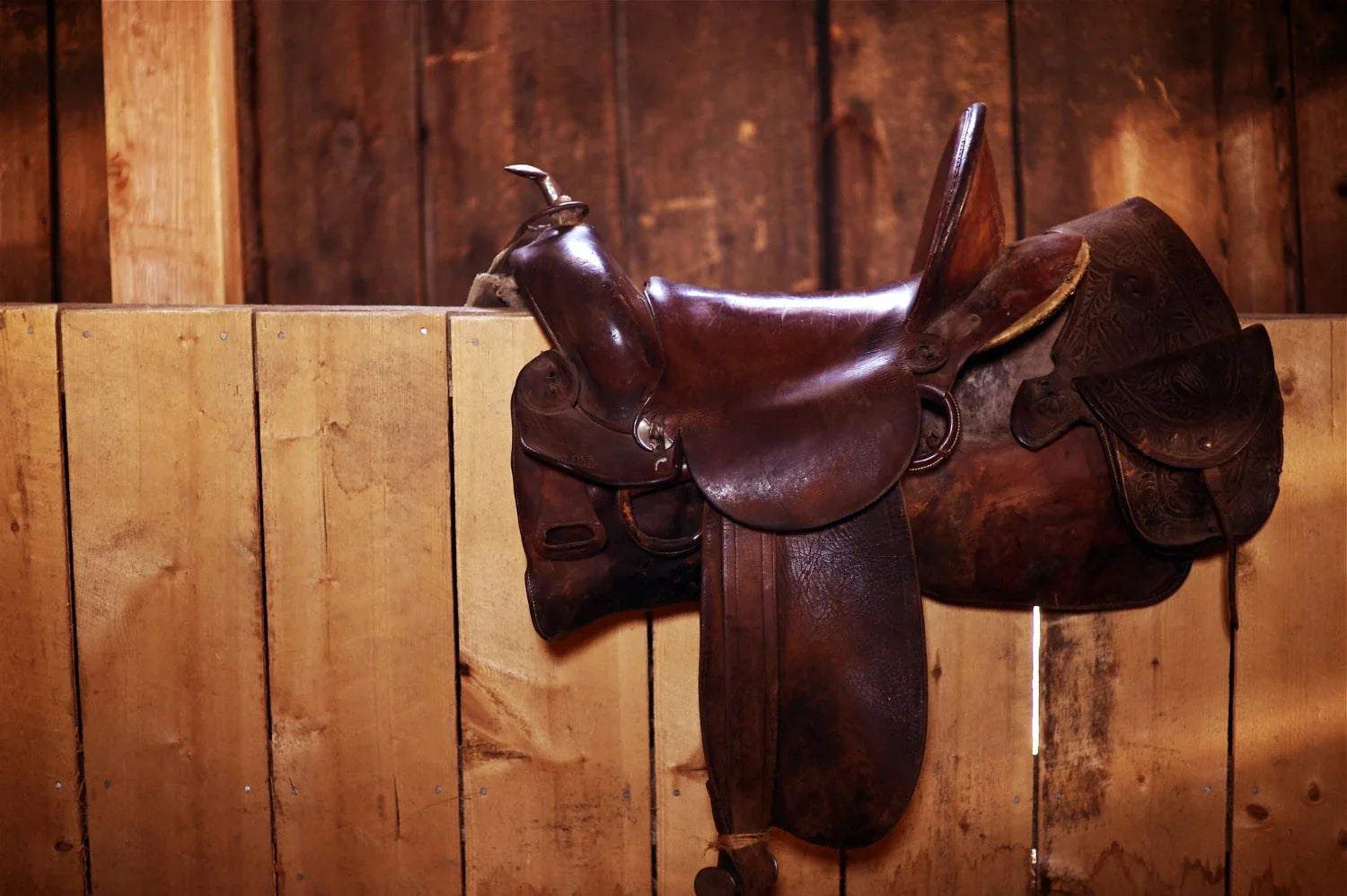
A western saddle is built for a different job than the English saddle most South African riders grew up with. Where an English saddle keeps you close to the horse for jumping and schooling, a western saddle spreads your weight over a larger area and gives you a deep, secure seat for long hours of work or trail riding. Whether you ride western for pleasure, work cattle on a farm, or simply want a comfortable saddle for big days out, understanding how a western saddle is put together makes choosing the right one far easier.
At Solo Saddlers we have been making and fitting saddlery for over 35 years, and our staff ride across endurance, trail, jumping and working disciplines. This guide walks you through what sets a western saddle apart, the parts you need to know, the main types available, and how to fit and care for one so it lasts a lifetime.
What Makes a Western Saddle Different
The western saddle traces its roots to the Mexican vaquero and the Spanish working saddles before that. It was designed for riders who spent entire days in the saddle moving cattle across rough country, so every feature serves a practical purpose. The most obvious difference is the horn at the front, originally used to dally a rope when working livestock. Beyond that, a western saddle has a larger, weight-bearing surface, a deeper seat, and heavier, more robust construction than its English counterpart.
That extra surface area matters. By distributing the rider's weight over a broader area of the horse's back, a well-fitted western saddle can be more comfortable for the horse on long rides. The trade-off is weight: a western saddle is considerably heavier than an English or general-purpose saddle, which is something to keep in mind when you are tacking up or lifting it onto a taller horse.
The Parts of a Western Saddle
Knowing the anatomy of a western saddle helps you talk to a saddler with confidence and judge quality when you are shopping.
The Tree
The tree is the frame the whole saddle is built around, and it is the single most important component. Traditionally made from wood wrapped in rawhide, modern trees may also use fibreglass or other synthetics. The tree determines the shape, the fit to the horse, and the strength of the saddle. A cracked or poorly shaped tree will never fit correctly, no matter how good the leatherwork looks.
The Horn
The horn rises from the front of the tree. On working and roping saddles it is sturdy enough to take the strain of a roped animal; on pleasure and trail saddles it is lighter and often used simply as a handhold or a place to clip a saddle bag.
Seat and Cantle
The seat is where you sit, and the cantle is the raised back edge that holds you in place. A deeper seat and higher cantle give more security on rough ground, while a flatter seat allows freer movement for disciplines like reining. Seat size is measured in inches and should suit the rider, not the horse.
Fenders and Stirrups
The fenders are the broad leather panels that hang down each side and protect your legs from the horse's sweat and movement. They connect to the stirrups, which on a western saddle are typically wider and more substantial than English irons. If you are replacing or adjusting yours, our range of stirrups and leathers covers both western and English fittings.
Rigging and Cinch
The rigging is the system of rings and straps that holds the cinch, which is the western equivalent of a girth. The cinch passes under the horse's belly and keeps the saddle secure. Getting the cinch the right length and keeping it clean and supple is essential for both comfort and safety, and you will find suitable options in our girths and cinches collection.
Types of Western Saddle
Western saddles are specialised by discipline, and choosing one designed for how you actually ride will make a real difference.
Trail and Pleasure Saddles
These are the most popular choice for everyday riders. They are lighter than working saddles, comfortable over long distances, and often fitted with extra rings for saddle bags and water bottles. If you spend your weekends exploring, a trail-focused western saddle is well worth considering alongside our endurance, trail and western saddle range.
Roping Saddles
Built heavy and strong with a reinforced horn and tree, roping saddles are made to handle the sudden load of a roped animal. They are the workhorse of the cattle yard and prioritise durability over light weight.
Barrel Racing Saddles
Lightweight with a deep seat, a high cantle and a tall, thin horn, barrel saddles are designed for speed and tight turns while keeping the rider locked in. They are smaller and more compact than most other western saddles.
Ranch and Show Saddles
Ranch saddles are everyday working saddles built for comfort and longevity. Show saddles, by contrast, are heavily tooled and decorated with silver detailing for the arena, where appearance counts as much as function.
How to Fit a Western Saddle
A saddle that does not fit will cause your horse pain, behavioural problems and long-term back damage, so fit always comes before looks. There are two halves to the equation: fitting the horse and fitting the rider.
For the horse, the saddle must sit level and clear the withers and spine. You should be able to fit two to three fingers between the gullet and the withers with your weight in the saddle. The bars of the tree should make even contact along the back without pinching at the shoulders or bridging in the middle. Watch for dry spots or ruffled hair after a ride, which are signs of uneven pressure. For a fuller explanation of saddle fit and tree width, the general saddle reference on Wikipedia is a useful starting point.
For the rider, seat size is the key measurement. Sit in the saddle with about a hand's width between your body and the front of the cantle, and your weight settled in the deepest part of the seat. A seat that is too small forces you forward over the horn; too large and you slide around and lose security. A good saddle pad is the final piece of the fitting puzzle, helping to fine-tune comfort and protect the horse's back; browse our saddle pads and blankets to match your saddle.
Caring for Your Western Saddle
A western saddle is a serious investment, and good leather rewards good care. Wipe it down after every ride to remove sweat and grit, clean it regularly with saddle soap, and condition the leather a few times a year to keep it supple and prevent cracking. Pay particular attention to the stress points: the rigging, the cinch straps and the stirrup leathers. Our leather care collection has everything you need to keep your saddle in top condition for decades.
Store your saddle on a proper rack in a dry, well-ventilated space, never on the ground or thrown over a rail where the tree can warp. In the South African climate, where you can swing from dry heat to damp winters, keeping leather conditioned and out of direct sun is especially important.
Choosing the Right Western Saddle for South African Riding
Start with how you ride. If you are out on the trail or covering long distances, prioritise a lighter, comfortable saddle with good rigging for bags. If you work livestock, durability and a strong horn matter most. Then make fit non-negotiable: the best-looking saddle in the world is useless if it does not suit your horse's back and your own seat size. Finally, buy quality leather and a sound tree, because a well-made western saddle, properly cared for, will outlast many cheaper ones.
If you are weighing up a western saddle against an endurance or trail option, our guide on how to choose a trail saddle is worth a read, and if you need help getting your cinch or girth length right, our horse girth size chart covers measuring step by step. You can also read more about the history and design of the western saddle on Wikipedia.
Find Your Western Saddle at Solo Saddlers
Choosing a western saddle comes down to matching the right type and fit to your horse and your riding. With over 35 years of saddlery experience and a team of working riders, Solo Saddlers is here to help you get it right. Explore our full saddle range and our dedicated endurance, trail and western saddles, or get in touch and we will help you find the saddle that suits you and your horse perfectly.


