
Dubbin for Leather: What It Does, When to Use It and When to Reach for Something Else
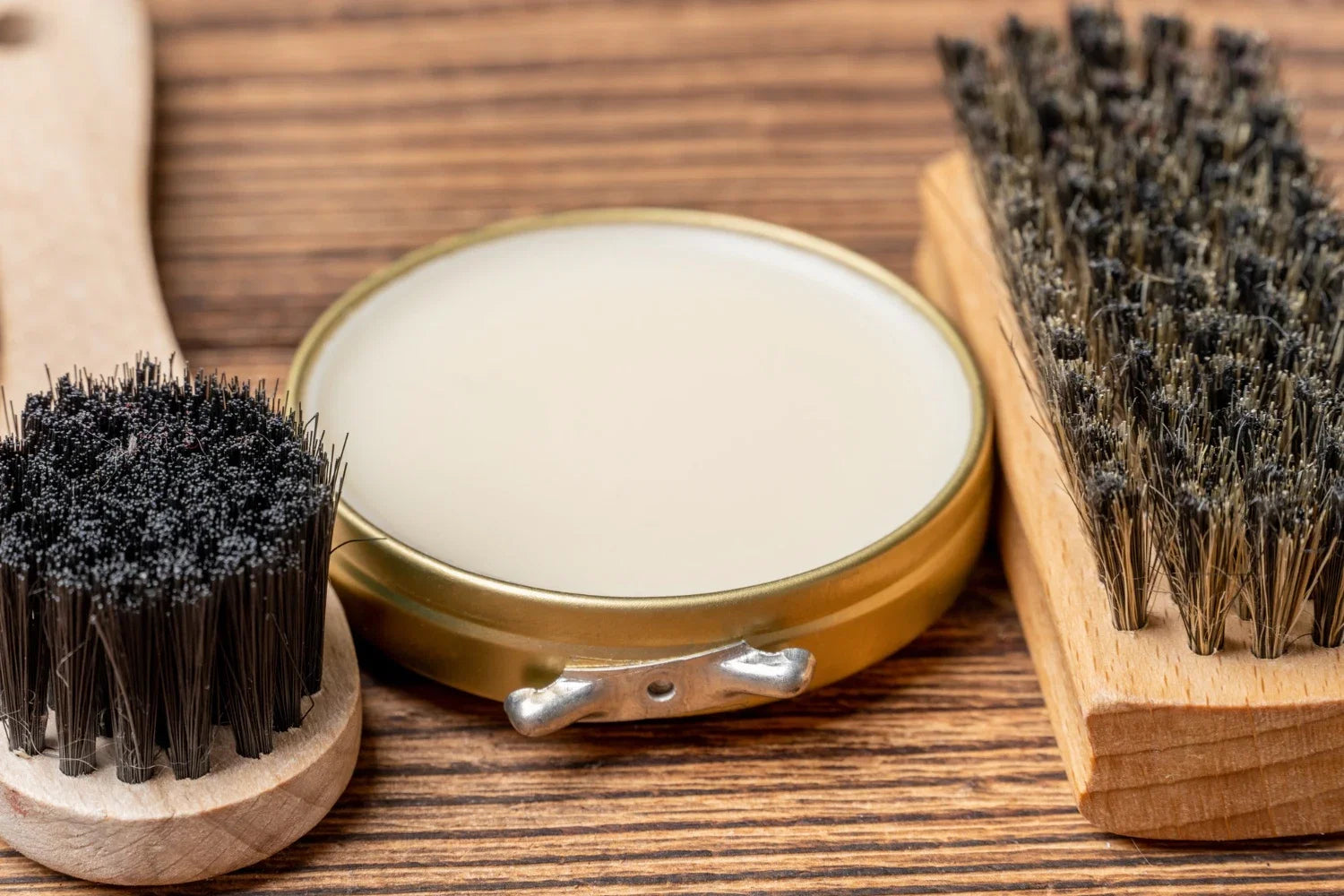
Ask ten riders what dubbin is for and you will get ten different answers. Some swear by it, some were told never to let it near a good saddle, and most people use it simply because that is what the tin in the tack room happens to be. Dubbin for leather has been in use since medieval times, and it does one job extremely well and several other jobs rather badly. Knowing the difference will save you money and, more to the point, save your tack.
What dubbin actually is
Dubbin is a blend of waxes and oils. Traditional recipes used beeswax, fish oil and tallow; most commercial dubbins today are built on petroleum jelly, paraffin wax and neatsfoot oil, and have been used to soften, condition and waterproof leather for centuries (Wikipedia has a good summary of its history and composition).
That composition tells you what it does. The oils penetrate the fibres and keep them supple; the waxes sit on the surface and repel water. Dubbin is a leather food and a water barrier in one tin.
What it is not is a cleaner, and it is not a finish. It will not lift ground-in dirt out of a bridle, and it will not put a parade shine on your show boots.
Dubbin is not polish, and it is not saddle soap
This is where most of the confusion sits, and it is worth being precise about, because using the right product at the wrong stage is the most common leather care mistake there is. Each of the four does a different job.
Saddle soap cleans
Saddle soap lifts sweat, grease, dust and old product off the surface. It is the first step, never the last. Skipping it and going straight to dubbin seals dirt into the leather, which is exactly how a bridle ends up feeling gritty no matter how much work goes into it. Our leather care range carries both glycerine bar soaps and liquid saddle soap.
Dubbin feeds and waterproofs
Dubbin goes on after cleaning. It replaces the oils that sweat, sun and washing strip out, and it leaves a wax layer that stops water soaking in. It will darken most leather slightly. On working tack that is usually welcome, because it deepens the colour and evens out wear. On a pale show bridle it may not be what you want.
Polish colours and shines
Shoe polish is pigment and hard wax. It sits on the surface, evens out colour and buffs up to a shine, but it puts very little back into the leather itself. Polish a pair of boots that have never been fed and you get a beautiful shine on a dry, cracking upper. Polish is cosmetic. Dubbin is maintenance. If you only ever do one of the two, do the dubbin.
Where oils and conditioners fit
Neatsfoot oil penetrates deepest of the traditional treatments and is by far the easiest to overdo. Conditioners, balms and hide creams sit between oil and dubbin: lighter, less greasy, better suited to fine English leather. The full spread lives in our leather dressing selection.
A simple rule of thumb: soap to clean, oil or conditioner to feed, dubbin to feed and seal, polish to finish.
When to use dubbin on horse tack
Dubbin earns its keep on leather that gets wet, gets dirty and still has to stay strong.
Working and outdoor tack. Trail, endurance and western gear takes rain, river crossings, thorn scrub and dust, and it is usually built from heavier hide that carries a wax layer without going soggy. If you ride out for hours at a stretch on the kind of gear covered in our saddle buyer's guide, dubbin belongs in your kit.
Riding boots, half chaps and gaiters. The classic dubbin job. Leather boots that get soaked, dried and soaked again will crack across the flex point behind the ankle unless something is putting the oils back. A thin coat before winter, and again halfway through, does it. Our riding boots range shows what is worth protecting.
Yard leather and storage. Headcollars that live on a hook in the wind, and any tack about to sit unused for a season.
How to apply dubbin properly
Most dubbin failures are application failures rather than product failures. The order matters.
- Strip it down. Take the bridle apart at the buckles and pull the leathers and girth off the saddle. The folds behind buckles are exactly where cracking starts.
- Clean first, always. Warm water, a damp sponge and saddle soap. Get the grey build-up off before anything else goes on. The sponges and cloths sit alongside the products in leather care.
- Let it dry naturally. Never in front of a heater and never in direct highveld sun. Forced drying is what cooks the oils out in the first place.
- Warm the tin slightly. Dubbin spreads far more evenly when it is soft. A few minutes somewhere warm is plenty, but do not melt it.
- Apply thinly. A cloth or your fingertips, in small circles. The leather should look slightly damp, not coated. If you can see a layer sitting on the surface, you have used too much.
- Let it soak in, then buff. Give it a few hours, ideally overnight, then buff off whatever has not absorbed.
- Reassemble and check as you go. Stitching, billet holes, buckle tongues and fold points. This is the best look you will get at your tack all month, so use it.
The mistake to avoid is thinking that more is better. Leather can only absorb so much, and the excess just attracts dust and turns tacky.
Where dubbin does not belong
There are places dubbin will actively do harm, and they are worth knowing before you open the tin.
Suede, nubuck and roughout. Dubbin flattens the nap and darkens the finish, and neither is reversible. Suede chaps and roughout western seats need a suede brush and a spray protector instead. Our guide to chaps and gaiters covers the material differences.
Patent and heavily finished leather. The sealed surface will not absorb it, so all you achieve is a smeary film.
Pale show tack. Dubbin darkens. If a matched set needs to stay light, use a colourless conditioner instead.
Safety-critical leather that is already soft. This is the important one. Stirrup leathers, girth straps and billets carry your weight, and leather that has been over-oiled to the point of feeling limp has lost strength, not gained it. Feeding it more will not bring it back. If a leather stretches easily between your hands or the buckle holes have gone oval, replace it rather than treat it. Our stirrup leathers are not an expensive fix compared with the alternative. The British Horse Society's horse care and welfare guidance is worth reading on general tack safety.
Synthetic tack. Biothane, nylon and synthetic saddles do not need feeding. Soap and water is the whole routine.
Dubbin and South African conditions
Leather care advice written for the British climate does not transfer cleanly here, and it is worth adjusting for where you actually ride.
On the highveld, the enemy is dryness and ultraviolet light. Winter here strips moisture out of hide faster than an English winter ever will, and tack left on a rail in summer sun will bake. Riders inland need to feed leather more often than the tin suggests, and storage out of direct light matters more than waterproofing does.
On the coast, in KwaZulu-Natal and the southern Cape, humidity and mould are the problem instead. A wax seal helps, but airflow helps more: tack stored in a sealed trunk through a humid summer will grow mould regardless of what you have put on it. In the summer rainfall regions, dubbin before the season starts rather than after the first soaking. Waterproofing is preventative, not a rescue.
Building a leather care routine that lasts
Wipe the sweat off your bridle and girth after every ride, because dried sweat is corrosive and takes thirty seconds to remove. Strip and soap everything properly once a month. Feed with dubbin, oil or conditioner seasonally, or more often if your tack gets wet regularly. Inspect the safety-critical parts every time you clean.
Well-kept tack outlasts neglected tack by years, not months. If your leather has gone past feeding and needs restoring, that is a different job with different products, and our guide to restoring and recolouring leather tack picks up where this article ends.
Get the right product for the job
Solo Saddlers has been manufacturing saddlery in South Africa for thirty-five years, and the people who pack your order are riders looking after their own tack in the same conditions you do. Our leather care range covers the full routine from saddle soap through to dubbin, oils, balms and hide creams, and everything in it is there because we use it ourselves.
Not sure what your tack needs? Tell us what you ride, where you ride and what condition the leather is in, and we will point you at the right tin rather than the most expensive one.


