
Horse Blankets: A South African Winter Guide to Rugs, Weights, and Sizing
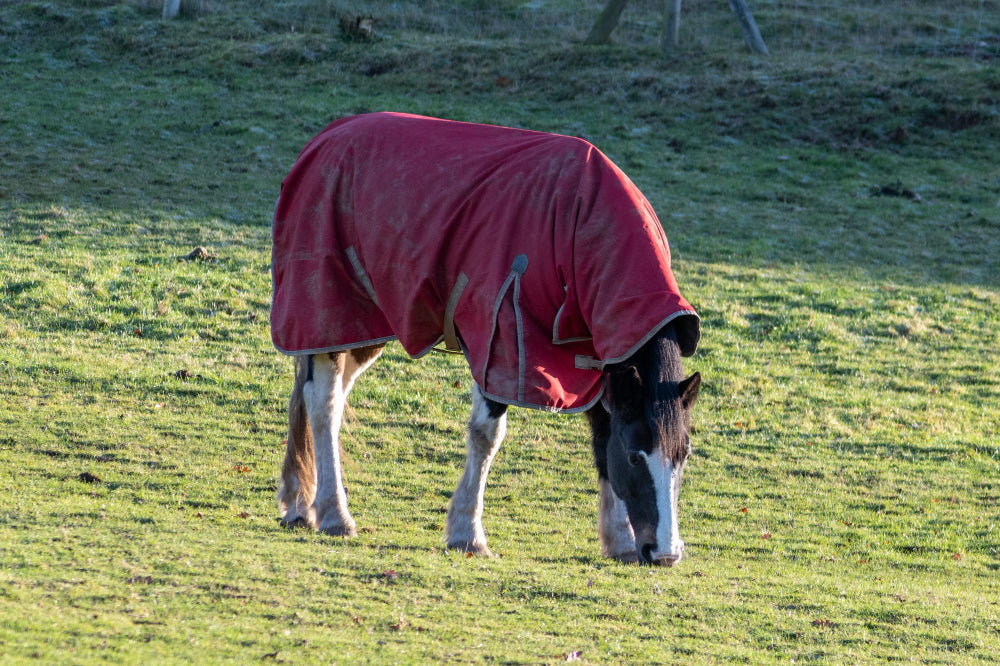
South African winter has a way of catching horse owners off guard. One week you're hosing your horse off after a midday ride, the next you're scraping frost off the water trough at sunrise. Choosing the right horse blankets for your yard is one of the simplest things you can do to keep horses comfortable, healthy, and ready to work through the colder months — but with so many weights, cuts, and fabrics on the market, working out what you actually need can feel like a job in itself. This guide breaks it down the way an experienced saddler would explain it across the counter.
Why Horse Blankets Matter in South Africa
Horses are remarkably good at handling cold. With a thick winter coat and access to shelter, a healthy adult horse copes with most of what South Africa's winter throws at them. The problem is that "most" doesn't cover every situation. Highveld nights regularly dip below zero, the Free State and KwaZulu-Natal Midlands get bitter cold snaps, and winter rain in the Cape can leave a horse soaked through for hours.
Horse blankets aren't about pampering — they're about managing energy. A cold, wet, shivering horse burns through condition fast. According to University of Minnesota Extension guidance, rugs become necessary when conditions are wet, when temperatures drop sharply, or for horses that are clipped, very young, very old, or carrying poor body condition. The same logic applies on a Mpumalanga yard as on a Minnesota one.
When to Rug Your Horse
The honest answer is: it depends on the horse. A hardy, unclipped Boerperd living out 24/7 with a windbreak and good hay may not need a rug at all. A clipped Warmblood that's just come off the lorry from the Free State Championships absolutely will. As a starting point, consider rugging when:
- Overnight temperatures fall below 5°C, especially with wind or rain
- Your horse is clipped (full, blanket, or trace clip)
- The horse is elderly, underweight, or recovering from illness
- You're keeping a horse stabled and want to limit coat growth for showing
- Rain is forecast and there's no shelter in the paddock
If your horse is shivering, has a tucked-up posture, or feels cold along the loins and behind the elbow, they're telling you the rug needs to come on — or go up a weight.
Types of Horse Blankets Explained
Walk into a tack room at any livery yard and you'll find several different rugs hanging up. Each does a specific job. The categories below are the ones you'll encounter most often in our horse clothing collection.
Turnout Rugs
Turnout rugs are designed for outdoor use. They're waterproof, breathable, and built with tough outer shells (usually rated in denier — 600D for everyday use, 1200D or 1680D for horses that play hard or roll often). Look for tail flaps, leg straps, and cross surcingles to keep the rug seated. For most South African yards, a medium-weight turnout (150g-200g fill) covers the bulk of winter, with a lightweight rain sheet for milder days.
Stable Rugs and Stable Blankets
Stable rugs live indoors. They're quilted rather than waterproof, which means they're warmer for the weight and softer against the coat. They're ideal for horses that come in at night. Stable rugs are available in the same weight bands as turnouts — light, medium, and heavy — so you can match them to the temperature in your barn.
Coolers and Fleece Rugs
After exercise, a sweaty horse loses heat fast. A cooler — usually a wool, fleece, or wicking fabric — pulls moisture away from the coat while the horse cools down slowly. Skipping this step in winter is a quick way to end up with a chill or a sore back. Fleece rugs also double as a travel layer or an under-rug for the coldest Highveld nights.
Exercise Sheets and Fly Sheets
For clipped horses being ridden in cold weather, an exercise sheet (sometimes called a quarter sheet) sits over the loins behind the saddle, keeping muscles warm during the early part of a ride. In summer, lightweight fly sheets protect against biting insects and reduce sun bleaching — pair them with our grooming range to keep coats healthy year-round.
Understanding Blanket Weight and Fill
The number you'll see on most horse blankets — 100g, 200g, 300g — refers to the weight of the polyfill insulation per square metre. As a rough South African rule of thumb:
- 0g (rain sheet): No fill, waterproof only. For mild, wet days.
- 50g-100g (lightweight): Mid-autumn, early spring, or cool evenings in coastal areas.
- 150g-250g (medium): The workhorse of South African winters. Suits most Highveld and inland nights.
- 300g-400g (heavyweight): Frost-prone areas, clipped horses, or genuinely cold nights below freezing.
You'll rarely need anything heavier than 300g in South Africa. If your horse is still cold in a 300g medium turnout, layer a fleece underneath rather than buying a heavier outer rug — it's more flexible and easier to dial up or down as the weather shifts.
How to Measure a Horse for a Blanket
Getting the size right matters more than getting the brand right. A badly fitting rug rubs, slips, and can cause genuine injury. Measure your horse like this:
- Stand the horse square on level ground.
- Using a soft measuring tape, start at the beginning of the wither (where you want the rug to start)
- Run the tape along the spine / back, all the way to the point of the buttock (the back edge of the rump).
- Note the measurement in centimetres
A 15.2hh Thoroughbred typically measures around 135-145cm. A 16.2hh Warmblood is usually around 145-155cm. Ponies sit at around 125cm. If you're between sizes, size up — a slightly roomy rug is far kinder than one that pulls tight over the shoulders.
| Measurement | 125 cm | 135 cm | 145 cm | 155 cm |
|---|---|---|---|---|
| Horse / Pony Height | 14–15H | 15–16H | 16–16.3H | 16.3–17.3H |
Fitting Checks That Actually Matter
Once the rug is on, check the following:
- Shoulder room: You should be able to slide a flat hand between the rug and the point of shoulder. No pulling, no gaping.
- Wither clearance: The rug should sit slightly behind the withers, not pressing down on them.
- Back length: The rug should finish at the top of the tail, not halfway down the rump.
- Belly straps: Loose enough to fit a flat hand under, tight enough that the rug doesn't shift sideways.
- Leg straps: Crossed between the hind legs (not tight), with two to three fingers of slack.
Check rugs daily. Sweat marks, rubs on the shoulder, or hair loss along the spine all mean something needs adjusting. Wikipedia's overview of horse blankets covers the basic design elements in more depth if you want to read further on construction.
Common Mistakes to Avoid
The two biggest mistakes new owners make are over-rugging and skipping daily checks. Horses don't feel cold the way we do — a 12°C morning that has us reaching for a jumper is comfortable for a horse with even a moderate winter coat. Over-rugging causes sweating, which causes chills when temperatures drop later. The general rule: if you're cold standing next to your horse in shorts and a t-shirt, your horse is probably fine.
The other mistake is leaving a rug on for weeks without taking it off. Rugs hide a lot — weight loss, skin conditions, rubs, even small injuries. Take the rug off properly at least once a day to check the horse underneath, brush the coat through, and let the skin breathe. Pair this routine with regular use of our horse shampoo and mane care range on warmer winter days and you'll spot any issues early.
Don't Forget the Tack and Pads
Winter is hard on leather. Cold mornings and damp tack rooms dry leather out, so while you're sorting your rugs, wipe down bridles and saddles with a conditioner from our leather care collection — the Solo Saddlers guide to caring for leather covers the routine. Check your saddle pads too: winter sweat builds up fast under a thicker coat.
Building Your Winter Rug Kit
For most South African yards, the minimum sensible winter setup is:
- One medium-weight turnout (150g-200g) for paddock use
- One stable rug or fleece for nights in the box
- One cooler or wicking rug for post-exercise
- A lightweight rain sheet for mild but wet days
From there you can add a heavyweight for cold snaps, a second turnout to rotate while the first dries, or an exercise sheet for clipped horses being ridden in cold weather. Also worth checking that your stable equipment — buckets, haynets, water troughs — is set up for winter, since horses drink less when the water is icy.
Shop Horse Blankets at Solo Saddlers
Solo Saddlers has been kitting out South African yards for over 35 years. We stock horse blankets and rugs from brands that hold up to local conditions — Highveld frost, Cape winter rain, and everything in between — and we deliver country-wide. Whether you're after a tough turnout for a paddocked Warmblood or a fleece for a sensitive Arab, you'll find it in our horse clothing collection. Not sure where to start? Drop us a message on +27 10 020 2863 or WhatsApp +27 83 886 3181 and we'll help you work out exactly what your horse needs this winter.


