
Horse Stirrups: Types, Materials, and How to Choose the Right Pair
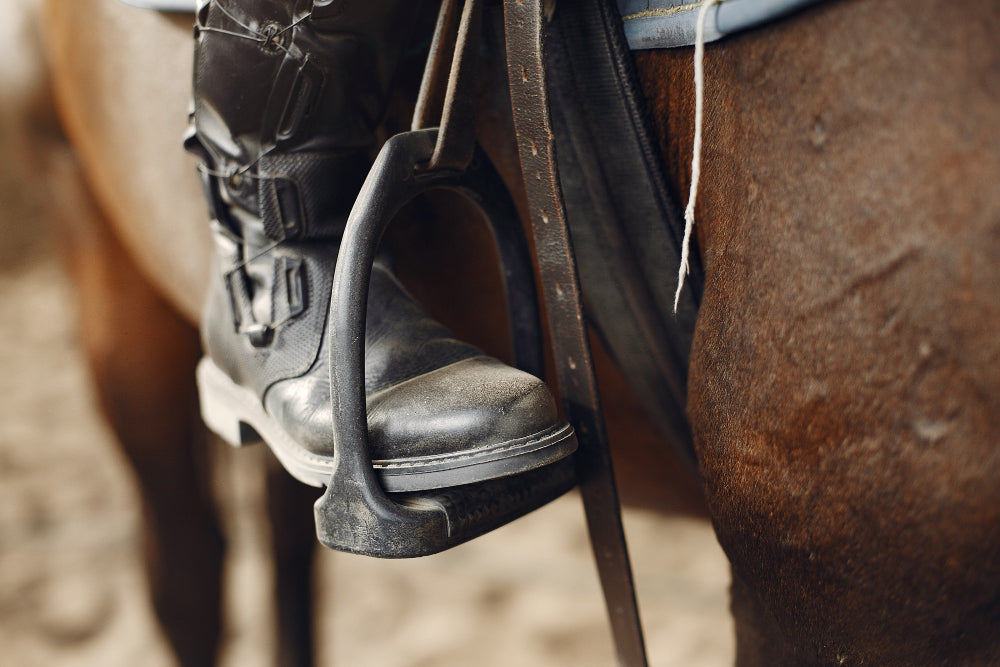
Stirrups are one of those pieces of tack that most riders never give much thought to — until something goes wrong. A foot slipping through, a knee aching after a long hack, or worse, a foot getting caught in a fall. The stirrups you ride in have a genuine impact on your safety, comfort, and performance. Whether you ride in the arena, on the trail, or across long-distance endurance routes, choosing the right pair matters more than most people realise.
This guide breaks down the main types of horse stirrups, the materials they are made from, how to size them correctly, and what to look for when buying.
Types of Horse Stirrups
The type of stirrup you need depends on your riding discipline, your horse's work, and your own anatomy. There's no single right answer — but there is usually a clear better choice.
Fillis Stirrups
The classic choice for English riding. Fillis stirrups have a distinctive inward curve at the sides that positions the foot naturally and reduces ankle strain over long periods. They're widely used in dressage, show jumping, and general flat work, and are available in stainless steel or aluminium. Durable, easy to clean, and familiar to most saddlers and instructors.
If you're unsure where to start, Fillis stirrups are the reliable all-rounder. Browse the full range in our stirrups and leathers collection.
Peacock Safety Stirrups
Commonly recommended for children and less experienced riders, peacock stirrups feature a rubber ring on the outside of the tread that snaps free under pressure. This releases the foot if a rider falls, preventing it from becoming trapped — a serious risk with standard irons. Trail riders who spend time in unpredictable terrain will also find them worth considering, particularly when riding alone.
Offset and Ergonomic Stirrups
Offset or anatomical stirrups are angled to match the natural position of the foot and lower leg. They reduce rotational strain on the knee and hip, which matters most for riders who spend long hours in the saddle or those who have existing joint issues. Many endurance and trail riders prefer them once they've made the switch, finding that knee fatigue reduces noticeably on longer rides.
They work with any saddle type and come in a range of materials from lightweight aluminium to reinforced composite.
Endurance Stirrups
Designed specifically for long-distance riding, endurance stirrups prioritise sustained comfort over extended hours. They typically have a wider tread to distribute foot pressure more evenly and reduce fatigue, and are often made from lightweight materials to keep overall tack weight down — something that adds up over 80 or 100 km of riding.
If you ride endurance or multi-day trail routes, matching your stirrups to a purpose-built saddle is worth the investment. Have a look at our endurance, trail, and western saddles alongside our stirrup options for a complete long-distance setup.
Western Stirrups
Western stirrups are wider, heavier, and more substantial than their English counterparts — built for long days doing real work. Traditional designs use wood or leather-covered frames; modern versions often use aluminium or composite materials for weight savings without sacrificing durability. They're designed to work with western saddles and shouldn't be mixed into an English setup.
Jumping Stirrups
Jumping or show-jumping stirrups tend to be lightweight — usually aluminium — with a grippy rubber tread and a wider base than a standard Fillis iron. The wider tread gives the foot something solid to land on when clearing fences at pace. Some designs incorporate a hinged or articulated joint that absorbs impact through the rider's leg on landing, which is popular with riders who jump frequently or compete regularly.
For the best result, pair them with a well-fitted saddle. Browse our dressage, GP, and jumping saddles if you're putting together a competition setup.
Stirrup Materials: What They're Made From
Stainless Steel
The most common choice and generally the most durable. Stainless steel stirrups resist corrosion, are easy to clean, and hold up well over years of regular use. They're heavier than aluminium, which some riders actually prefer for the added stability and feel underfoot.
Aluminium
Lighter than steel, which matters for endurance riders keeping pack weight down or jumping riders who want less dead weight on the stirrup leather. Aluminium stirrups are strong enough for everyday use, though they can be susceptible to impact damage if regularly knocked or dropped on hard surfaces.
Composite and Reinforced Plastic
Modern composite stirrups use reinforced plastics or fibreglass — lightweight and often flexible enough to incorporate safety-release mechanisms as a standard feature rather than an add-on. Popular with safety-conscious riders and those managing a lighter overall tack setup. Quality varies considerably, so stick to established brands rather than unbranded imports.
Getting the Right Stirrup Size
Stirrup size is measured by the internal width of the tread — the flat part your boot rests on. The general rule is that there should be roughly 1.25 cm (half an inch) of clearance on either side of your boot at its widest point.
Too narrow and your foot risks getting trapped. Too wide and your foot can slide through entirely — both situations are dangerous. Most adult riders use stirrups in the 120–130 mm range, though this varies with boot size and riding style. If you're between sizes, go wider rather than narrower.
Don't Overlook Your Stirrup Leathers
Stirrups don't work in isolation. The leathers they hang from affect your position, your balance, and how reliably the iron adjusts. Old, stretched, or cracked leathers compromise your position and become a safety concern over time.
Quality leathers — whether traditional leather or modern synthetic — should have even stitching, smooth adjustment, and reliable buckles that don't slip under weight. It's worth replacing leathers and irons at the same time if your current set has significant wear. Browse stirrup leathers alongside irons in our stirrups and leathers collection.
And while you're reviewing your tack fit, it's worth checking that your saddle fits correctly too — a well-fitted saddle and a correctly-positioned stirrup work together. If you're unsure about your setup, our team are experienced riders and happy to advise. You can also read our guide on how to measure your girth correctly for more on getting your tack fitted right.
A Few Notes on Safety
Always check that your foot fits the stirrup correctly before mounting. The rubber tread should provide grip — worn smooth treads are a slip hazard and replacement rubbers are inexpensive. If you're riding out in open country or alone, a safety stirrup design of some kind is worth considering. Getting a foot caught in a fall is one of the more serious risks in equestrian sport, and it's one that the right equipment largely eliminates.
For the rest of your riding essentials, our horse riding gear collection covers helmets, chaps, boots, and everything else you need in the saddle.
Find the Right Stirrups at Solo Saddlers
With over 35 years manufacturing and supplying saddlery, we know that the details make the ride. Our team are riders themselves — endurance, jumping, trail — so the advice you get is grounded in experience, not guesswork.
Browse our full stirrups and leathers collection online, or contact us directly if you need help choosing the right irons for your discipline and setup. We're here to help you ride better.


